
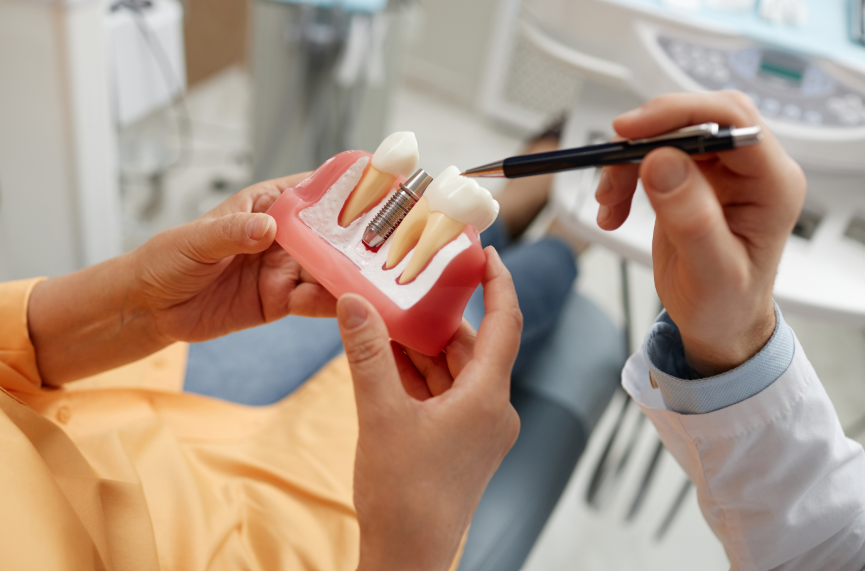
Dental implants are a popular way to replace missing teeth, restoring both the appearance and function of your smile. However, if you take blood thinners, you may have questions about whether implant surgery is safe and what recovery will look like.
The good news is that taking blood-thinning medication does not automatically disqualify you from getting dental implants. With careful planning and communication between your dental team and prescribing physician, it may still be possible to move forward safely.
Can You Get Dental Implants While Taking Blood Thinners?
In many cases, yes. Blood thinners are prescribed to help prevent dangerous blood clots and reduce the risk of serious health complications, including strokes and heart attacks. Depending on the medication and your medical history, they may also affect how quickly your blood forms clots after an injury or surgical procedure.
Because dental implant placement involves making an incision in the gums and preparing the underlying bone, bleeding is an important consideration. Your dentist or oral surgeon will need to understand which medication you take, why it was prescribed, and whether you have other health conditions that could affect healing.
Be sure to share a complete list of your medications and supplements during your consultation. This helps your dental team assess your needs and develop an appropriate treatment plan.
Should You Stop Taking Blood Thinners Before Implant Surgery?
Never stop taking blood thinners or adjust your dosage on your own before dental implant surgery. Doing so can increase your risk of developing a blood clot, stroke, or other serious medical complications.
Instead, your dentist or oral surgeon may coordinate with the physician who prescribes your medication to determine the safest approach. Depending on your individual circumstances, your care team may recommend continuing your medication, adjusting the timing of treatment, or making a medically supervised change.
The right decision depends on several factors, including the type of blood thinner you take, your risk of excessive bleeding, and your risk of developing a clot if your medication is interrupted.
What to Expect During Recovery
Taking blood thinners may increase the likelihood of prolonged bleeding or oozing after implant surgery. However, your dental team can take steps to help control bleeding and support a smooth recovery.
These may include using sutures, applying pressure with gauze, and using appropriate local measures to help stabilize the surgical site. Your provider will also give you specific aftercare instructions based on your procedure and medical history.
During recovery, you can help protect the surgical site by:
- Following your dentist’s instructions carefully, including guidance on when and how to clean your mouth.
- Applying gentle pressure with gauze if instructed to manage minor bleeding.
- Choosing soft foods and avoiding anything that could irritate the surgical area.
- Avoiding strenuous activity during the initial recovery period if recommended.
- Keeping follow-up appointments so your dental team can monitor healing.
Some minor oozing may occur after surgery, but persistent or heavy bleeding should not be ignored. Contact your dental provider if bleeding does not improve with the recommended measures. Seek urgent medical attention for severe bleeding or symptoms that suggest a serious complication.
Planning Ahead Can Make a Difference
If you take blood thinners, the most important step is to be open with your dental team before treatment begins. Sharing your medical history, discussing your medications, and coordinating with your prescribing physician can help reduce complications and make implant surgery more predictable.
With individualized planning and appropriate follow-up care, many patients taking blood thinners can still explore dental implants as a tooth replacement option.
About the Practice
At JI Oral Surgery, Dr. Sheng Ji, DDS, MD, provides comprehensive oral and maxillofacial surgical care with a focus on helping patients restore their comfort and dental health. A board-certified oral and maxillofacial surgeon, Dr. Ji earned his dental degree from the University of California, San Francisco, and his medical degree from UT Southwestern. He also completed a six-year oral and maxillofacial surgery residency at UT Southwestern/Parkland, where he received extensive training in surgical procedures, anesthesia, and dental implant placement. Dr. Ji believes in treating every patient like family and is dedicated to providing thoughtful, personalized care.
Call us at (916) 961-1902 or schedule your appointment online